
What Is All This For?

Our big puppy, Rocky, contemplates Roosevelt’s perspective on active participation, and it’s rewards.
The best email I've ever had came from a parent. Their child had struggled to find a way to learn, and a tool I'd built had worked for them. They were moving forward.
I think about that email often. It's the reason I got up in the morning for years. And it only meant something because of how hard the road to it had been. For the child, who had been stuck. For us, building something from nothing in a global market that doesn't care whether you survive.
That leaves me with an uncomfortable question about the technology I work alongside every day. If AI promises to take the struggle out of everything, what happens to the meaning that comes with it?
The pitch is a world where everything is done for us. Any answer instantly, any explanation on tap, software, images and video created in seconds. Fewer barriers, less hassle, less stress. Parts of that are wonderful, and I'd happily remove a great deal of pointless effort from my own children's lives.
But if everything is on a plate, where do we find any meaning? Should life not be a bit hard?
I think we may be sleepwalking towards one of two futures, and I don't like either.
The first is the existential one. I don't know how likely it is, and I don't think anyone does. But it has stopped being a science fiction question. Governments are building AI into weapons. In June, the US president signed a memorandum ordering the military to speed up its use of AI and telling the Pentagon to revise its rules on human control over autonomous weapons. On 30 September, the Defence Secretary announced a new Autonomous Warfare Command, a four-star command for AI, robotics and autonomous weapons, due online in October 2027. Other countries are racing too. The rules on how much human judgment is needed before force is used are being rewritten, and the rewriting is happening quickly.
The second future looks like a good one. Everything is easy. You get an answer the moment you ask, anything you can describe gets made for you, and most problems are sorted before they've had a chance to bother you. A utopia, on paper. Except nobody feels much of anything, because nothing was ever earned. I find that almost as worrying as the first. It's a bit like the boiling frog. Every step would feel pleasant, so we'd never think to jump out.
There's a global version of this question too. The countries with the most money will have the most AI. In high-income countries, 94% of people use the internet, compared with 23% in low-income countries. It's easy to assume that children in poorer countries will be left behind, and in economic terms they very possibly will be.

Fitness is the reason they'd give, but subconsciously, are they there to find out what they're capable of?
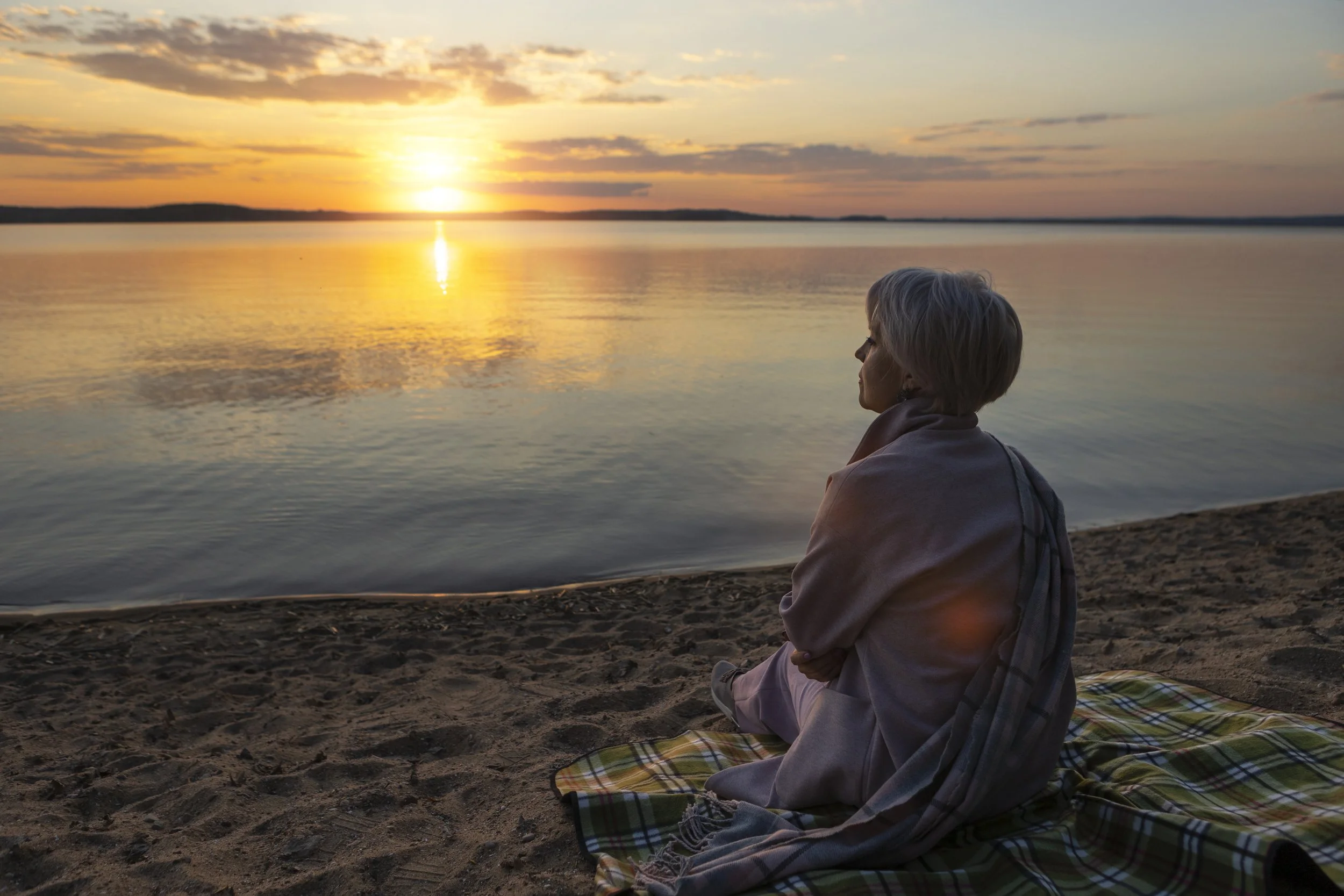
As we build utopia are we actually creating a psychological prison?
In educational terms, I'm less sure. What if those are the places where children still have to think for themselves? Where people still spend time together in person because there's less to keep them indoors? Might that be a better quality of life?
I want to be careful here. Plenty of children in those countries lack enough teachers, books or even reliable electricity, and for some of them an AI tutor could be the first good teacher they ever get. Hardship that's forced on you is very different from struggle you choose. I wouldn't wish the first kind on anyone.
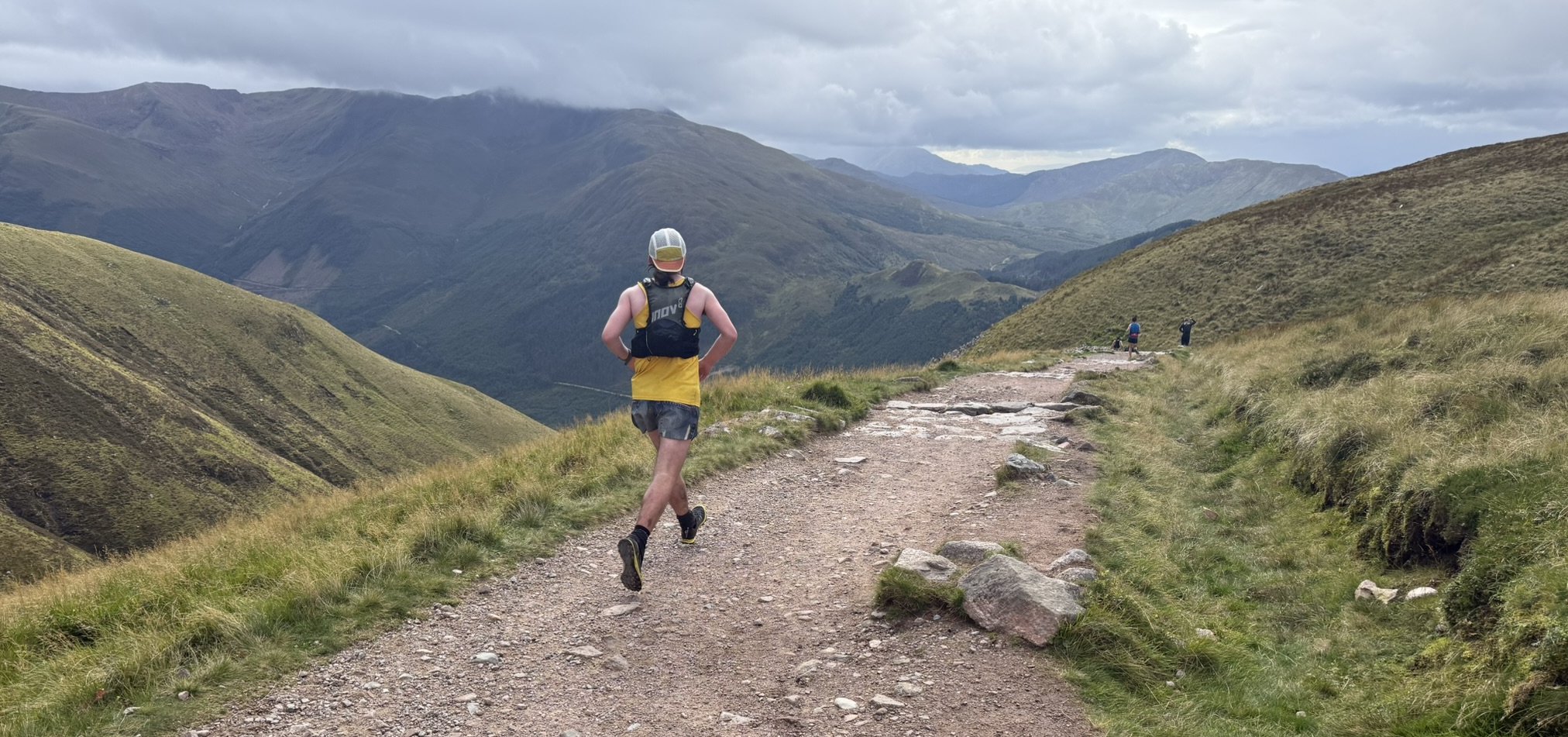
We recently climbed Ben Nevis, on the day that the “Ben Nevis Race” was on. Runners run up 1450m and back down again on rough tracks as fast as they can. Why?
So what does a good life look like? I keep coming back to two pictures. In one, everything is done for us, with no stress or hassle. In the other, life is a struggle, and we find our worth by achieving against the odds in one form or another.
I don't think either is right. If I could choose for my own children, I'd go somewhere in between. I'd take away the pointless pain and stress, the kind that teaches nothing. And I'd leave enough space for them to grind at something, so they know what it feels like to earn it.
I don't know whether that middle road will still exist in the world they inherit. If answers are free and a machine will make anything we describe, who decides how much struggle is left? Maybe we do, one family and one classroom at a time. Maybe nobody does.
What I do know is where I found meaning. Starting something from nothing, putting it out into the world, and getting that email. I'd like my children to have the chance to find theirs.
We'd love to hear your thoughts on this. Find us on the social channels linked at the top of the page.