
I Don't Like Reading, But...
When a child says they enjoyed a book, what have they actually told us?
Not much, it turns out.
When researchers at the University of Edinburgh and Edge Hill sat down with children aged nine to eleven and asked them, properly, in depth, what reading fiction actually gives them, the results were interesting.
Three things kept coming up.
Positive emotion.
Connection to others.
A sense of personal growth.
Children were describing fiction as something closer to emotional infrastructure than entertainment. A way of feeling things safely, of understanding other people by living inside their heads for a while, and a way of working out who they are in themselves.
That is a much richer picture than one might superficially assume, so it warrants dwelling on for a moment or two with your coffee this morning.
Most of the time, when we think about children reading, the questions are fairly practical: did the child enjoy it, and did it help them learn or develop? Both matter, and how much weight each gets tends to shift with age. Enjoyment and basic literacy dominate the conversation for younger children. Learning value takes over as they get older.
But this research shines Blyton's adventurous torch on a third strand that does not sit neatly in either box. It is not quite enjoyment or academic progress, but something in between.
A lot of children who say they do not enjoy reading (that was TOTALLY me, by the way) still say it helps them relax, learn, and understand themselves and other people better, according to the National Literacy Trust's 2026 survey. Enjoyment and value are not the same thing. A child can find a book a slog and still walk away changed by it.
I remember battling my way through a book called A Falcon Flies by Wilbur Smith when I was eleven, sad at a large table in the BSR (Big School Room), utterly defeated by it. My father was an author, and wrote many books and monthly magazine columns on fly fishing. Fun fact: he edited Fly Fishing by J. R. Hartley. My grandfather was an Air Marshal in the Royal Air Force, and I remember lying awake in his house as a chronic insomniac, staring across at his bookshelf, thick books including titles like War and Peace quietly telling me that I should read big clever books. So there I was, at eleven years old, feeling that to be all grown up ‘n’ stuff, I should read something big and fat like that. So I did. And I didn’t enjoy it.
A Falcon Flies was far too old for me, and probably entirely inappropriate for an eleven-year-old. I am a painfully slow reader, easily distracted, always wanting to be doing something rather than sitting still with a book. But I remember that book vividly, decades later, in a way I cannot say of things I found easy. It marked me somehow, whether for good or ill I still cannot quite say.
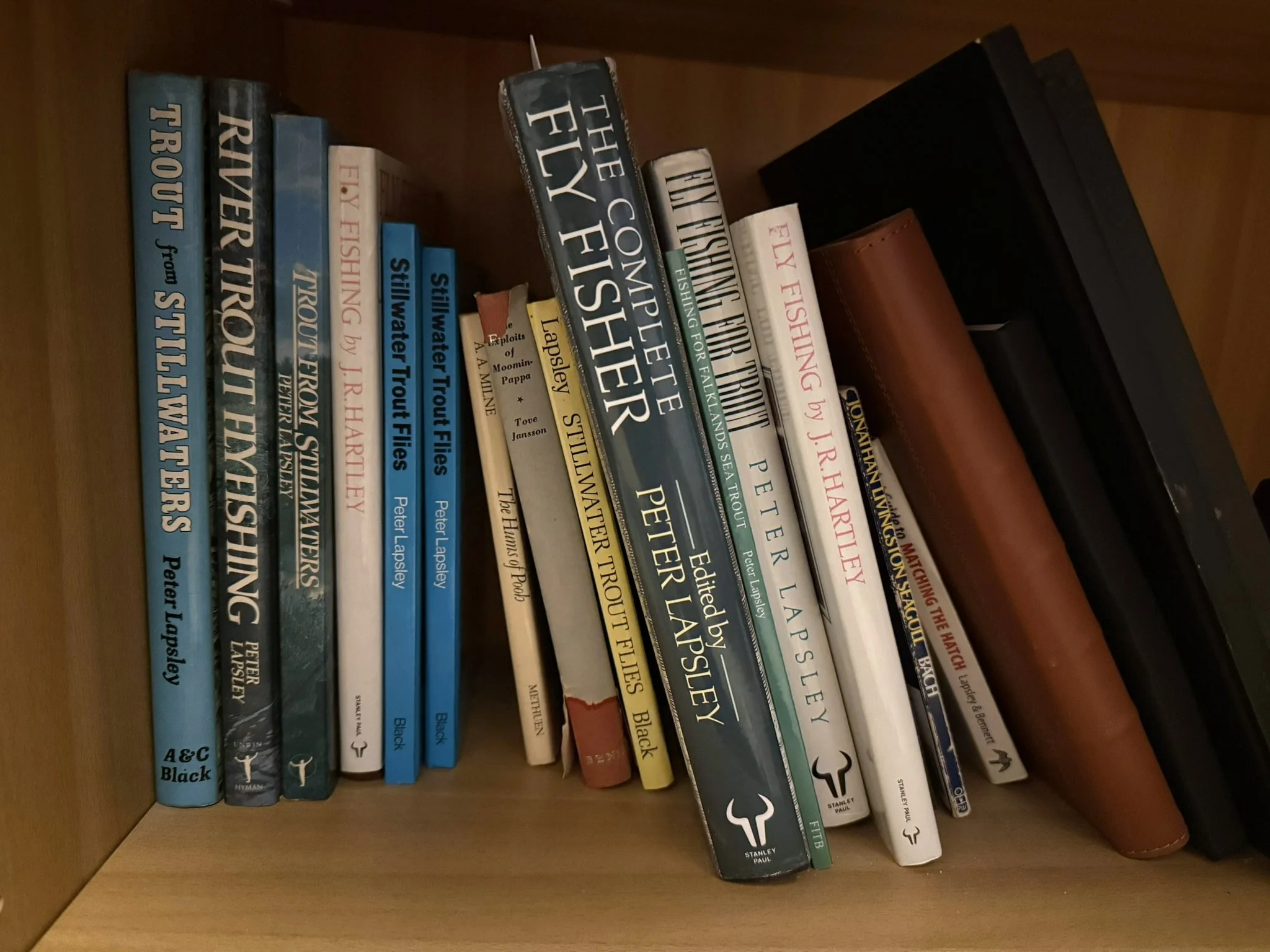
Some of the books that my father wrote
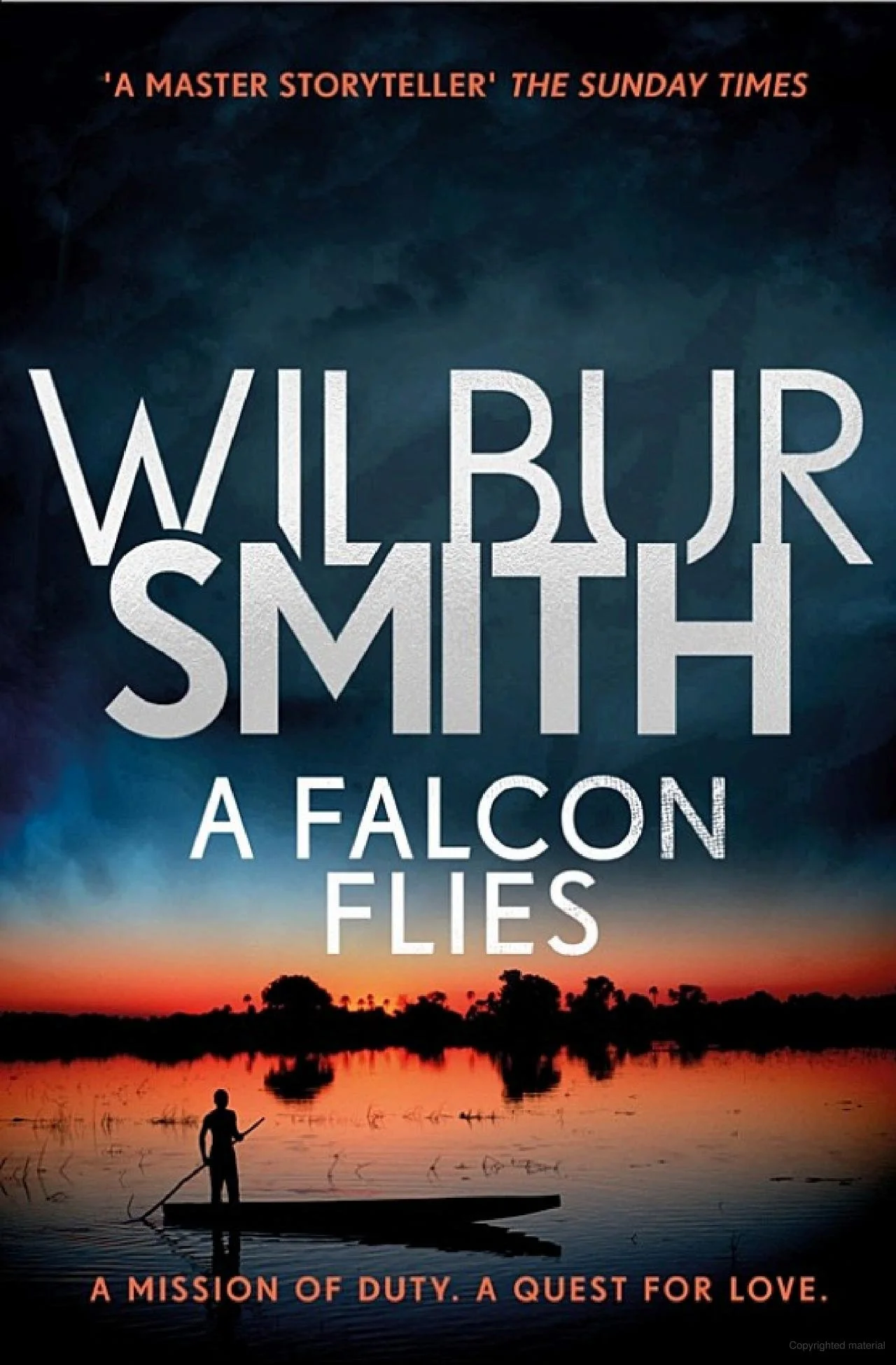
That, I think, is close to the point this research is circling. Whether you like reading or not, something happens to you if you do it. Audiobooks eventually saved reading for me, and I now get through a great deal that way, usually practical material, papers, manuals, things I can put to direct use. But that one difficult book at eleven did something that easier books never quite managed.
Maybe what I am feeling is scar tissue. Maybe this is what “Productive Failure” feels like.
Whatever it is, it feels important, and not just for the pursuit of reading itself.
We build software for children, and the temptation to reduce a rich experience down to a single friendly metric is constant. Did they finish it? Did they enjoy it? Did they come back tomorrow? Those numbers are real and useful, but they are also thin. A child working through something difficult, wrestling with a character, sitting with a feeling they cannot quite name yet, might not look like success on a dashboard. It might look like the opposite. And yet that could be exactly the moment where something meaningful is happening.
I don’t think this paper is telling anyone what to do differently. I am not a reading researcher, and I would not presume to tell a teacher or a parent how to think about a child's relationship with books. But it has left me with a genuinely useful thought that has caught be off-guard a little as I reflect on my own childhood, and my horrible relationship with books.
What is actually happening when a child chooses to read, beyond whether they enjoyed it and beyond whether it helped them learn?
And what do we quietly stop noticing the moment we decide those two things are the whole picture?
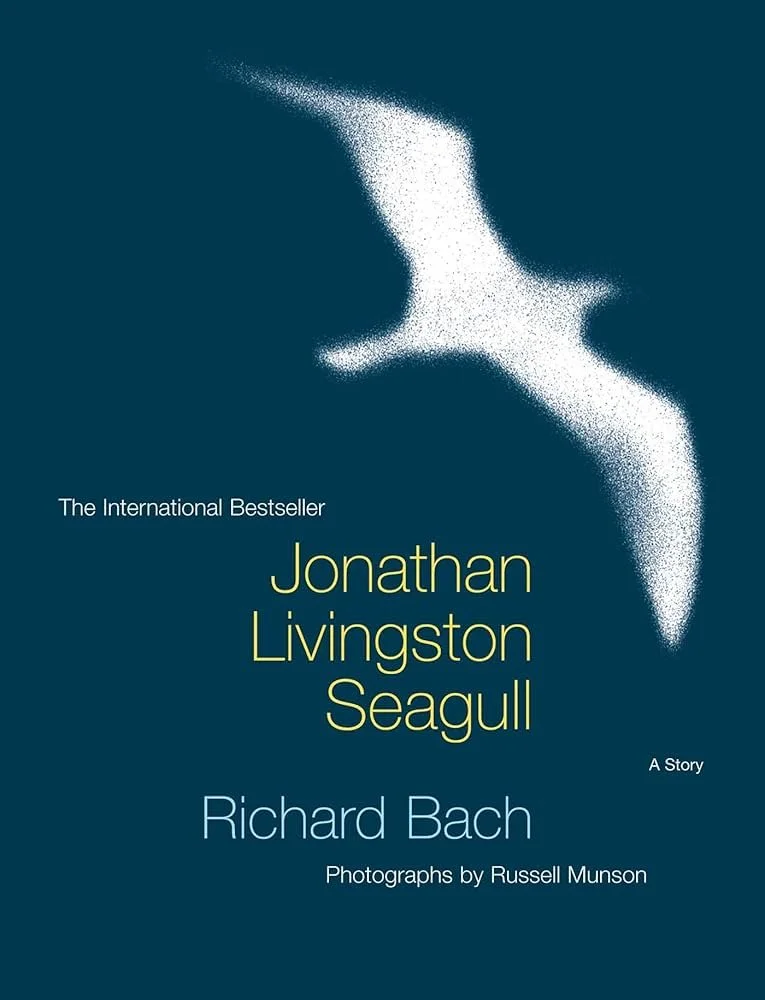
Oh, and I’ll end with one book that I actually DO read from time to time. My father gave me a copy of Jonathan Livingston Seagull. Each time I read it, I understand more why he gave it to me. He said to read it every year. I’ve not quite managed that, but one thing I notice is that each time I read it, I am in a different chapter of my life, and it takes on a deeper meaning.
I partly wonder if he gave it to me simply because he knew that even I might get through it, but I think it was far deeper than that. I think it was his way of giving me a moment each year for self-reflection, and a pool of thought deeper than this frantic society often permits.
We'd love to hear your thoughts on this. Find us on the social channels linked at the top of the page.